The Oscars

Billy Porter arrives at the Oscars on Sunday, Feb. 24, 2019, at the Dolby Theatre in Los Angeles. (Photo by Richard Shotwell/Invision/AP)


“My goal is to be a walking piece of political art every time I show up. To challenge expectations. What is masculinity? What does that mean?” – Billy Porter

The other day I shared a post about Boy Wonder (The Launch of Boy Wonder) calling for folks to take a survey and share “what’s missing from boys’ clothing lines.” And not simply more variety in colors — “sparkles, sequins, bows, metallics” were welcomed suggestions. Someone commented on my post: “yes to more colors” but “stop trying to unisex everything.”

I’ll say for the millionth time, CLOTHES MATTER. It matters that a few decades ago companies wanting to make more money started marketing butterflies for girls and beetles for boys. It matters that girls are now encouraged to embrace both butterflies and beetles while boys remain limited to only beetles. Of course, butterflies and beetles have far more significance that the focal of a t-shirt. Butterflies are gentle and beautiful. Beetles are dirty and tough. It matters that we are telling our boys they can only be tough….this and countless similar messages has lead to increased Toxic Masculinity.  It matters so much that the American Psychological Association has set out treatment recommendations for Toxic Masculinity (Breaking News on Toxic Masculinity). This is not about “unisexsing” everything, this is about boys’ our health and happiness. So, thank you Billy.

Another maddening example of the gendering of everything….. The other day an add popped up on my newsfeed for kid’s dino sunglasses. Excited, I checked out who was selling these spiffy specs — Rockets of Awesome. I went to the “boy section” because dinosaurs are often assigned to boys. No luck– I then found them in the “girls section.” I didn’t realize there were sparkles on the glasses and “sparkles belong to girls.” So, I’ll say it again, thank you Billy!



They Are Counting On Us – Part Two

I am still digesting this piece and I imagine I will be for a long time to come. I felt a profound sense of unease while reading it. The Life of an American Boy at 17 is part one in a series on Growing Up in America Today featured in the latest issue of Esquire. While not marketed as a piece on toxic masculinity, it aligns alarmingly well.

Another of my recent reads was: Want to End Mass Shootings? Start with Toxic Masculinity. A large piece of text quoted in the middle read: “Toxic masculinity and gun violence are fruits of the same legacy,” and it made my head and my heart hurt.

The Esquire piece features statistics, “America’s Boys By The Numbers,” about a variety of topics from suicide to screen-time. These stats along with the boy whose narrated story is featured in the article help to paint a picture of boyhood — and I don’t like what I see. This picture is abundantly clear: we have a problem. Even PIXAR has joined in illustrating “the problem” with their new short film, Purl, about toxic masculinity in the workplace.

“The problem” is that boys are stuck, held to an antiquated and narrow gender role that leaves little room for discovering and expressing a wide range of essential human emotions and values stoic strength and power over all else. Some say I’m being dramatic. I say, check out the New York Times article The Boys Are not All Right by Michael Ian Black. He defines “the problem” as:


“America’s boys are broken. And it’s killing us.

The brokenness of the country’s boys stands in contrast to its girls, who still face an abundance of obstacles but go into the world increasingly well equipped to take them on.

The past 50 years have redefined what it means to be female in America. Girls today are told that they can do anything, be anyone. They’ve absorbed the message: They’re outperforming boys in school at every level. But it isn’t just about performance. To be a girl today is to be the beneficiary of decades of conversation about the complexities of womanhood, its many forms and expressions.


Boys, though, have been left behind. No commensurate movement has emerged to help them navigate toward a full expression of their gender. It’s no longer enough to “be a man” — we no longer even know what that means.

Too many boys are trapped in the same suffocating, outdated model of masculinity, where manhood is measured in strength, where there is no way to be vulnerable without being emasculated, where manliness is about having power over others. They are trapped, and they don’t even have the language to talk about how they feel about being trapped, because the language that exists to discuss the full range of human emotion is still viewed as sensitive and feminine.”


President Obama recently spoke at event celebrating the fifth anniversary of the non-profit My Brother’s Keeper Alliance. He and Golden State Warrior Stephen Curry encouraged the audience of young African-American men to focus on their own self-confidence as the path to true success in life. The pair discussed the  “evolving role of men in society and cautioned against falling into old ‘stereotypes’ of what being a man means. To demonstrate his point, Obama introduced himself to the audience as ‘Michelle’s husband,’ referring to his wife of 27 years, Michelle Obama. He then introduced the NBA star as ‘Ayesha’s husband’.” (Read more about this in: Barack Obama Manages to Work in a Michelle Obama Compliment in a Discussion About ‘Being a Man.‘)

Obama says men can “feel we have to compensate by exaggerating stereotypical ways men are supposed to act. And that’s a trap.”

The evolving role Obama referred to and the fact that everyone from Pixar to moms like me are having conversations about toxic masculinity gives me some sense of hope that we can create meaningful change — we must, our boys are counting are on us.

Click here to check out “They Are Counting On Us – Part One.”


Nurturing Compassion

Another piece recently found me, Nurturing Compassion in Boys, from the Doing Good Together Newsletter.

Jenny Freidman starts with:

“While girls are often applauded for pursuing math and science, playing traditional male sports and dressing in typical boy attire, boys who deviate from the historically ‘masculine’ conventions often face a much different reaction.

Although all gender stereotypes are becoming less rigid, girls are given more flexibility than boys. That concerns me, especially when it comes to developing the typically “feminine” traits of compassion and kindness. These qualities are critical to the healthy development of all our children. Below are ways to assure that your boys receive those essential lessons in empathy as they grow toward being caring, compassionate, charitable men.”

The suggestions they offer, not surprisingly, starts with helping your boys label their feelings. Sometimes, I feel like a broken record. Other suggestions include:

  • Redefine courage.
  • Find giving projects that fit your boy’s interests
  • Emphasize empathy. Do “180s” with your son – often. How to foster empathy with reading.
  • Expose your son to the right kind of heroes.

Definitely a piece to check out, determine how to incorporate in a way that’s right for your family, and to share.

See the source image


Boyhood Treasures

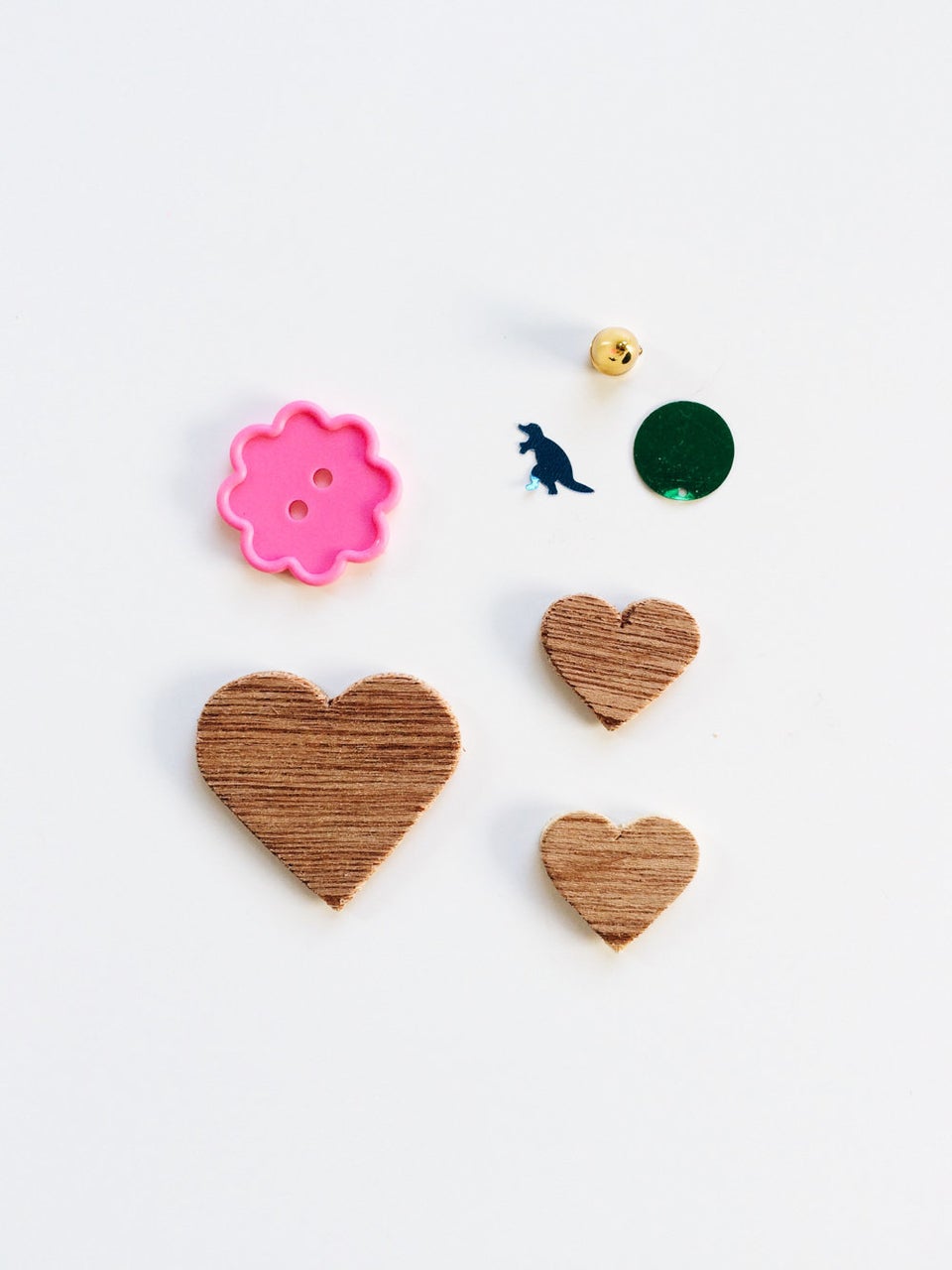
Sweet Photo Series Reveals What’s In A Preschooler’s Pockets by Caroline Bologna in Life Parents discusses the work of photographer Melissa Kaseman’s photo series “Preschool Pocket Treasures.” The series features the small objects she finds in her son’s pockets. Kaseman says, “The magic of childhood is so fleeting, and these objects I kept finding in Calder’s pockets represent a chapter of boyhood, his imagination, and the magic of finding a treasure… I hope he carries the wonderment of discovery throughout his life.”

Here’s one of the magical photos:

I often remind myself…..slow down, stay present, look at the world through his magical lens. Enjoy the photo series, and all the treasures you take out of pockets, pick up from the floor, and find tucked into places you didn’t even know exist in your car.

Books for Littles

Books for Littles is a must visit website! The website’s aim is “Raising Luminaries” and sharing “Must-Have Kids Books for Tomorrow’s Leaders.”

I’ve seen the book Real Cowboys by Kate Hoefler and Jonathan Bean on a number of book recommendation lists and was ecstatic to recently find it at a used bookstore.

Tonight I stumbled on Books for Littles’s “6 Mistakes We Make Raising Sons – Kids Books To Prevent Sexual Assault. I often talk about the importance I place on kids’ books as a teaching tool — because we must give our boys (and parents of boys) tools. This article features 25 books, including Real Cowboys, that address “mistakes” made in raising boys.

For example, Equating “politeness’ with ‘respect.’ They suggest, fit it now by teaching sons that women are people, not objects. What Mattes to Girls Matters.

Here’s are their book suggestions for this fix:

“If over half of your bookshelf contains only male characters, we have a problem….Not all books starring girls are created equal – most reinforce male supremacy. Massive aggregate booklists….Both girls and boys (and non-binary kids) should read an equal mix of protagonists as powerful, vulnerable, complex protagonists that don’t conform to narrow gender roles….Throwing other women under the bus to boost a single character reinforces the idea that girls have to be ‘like boys’ to make a valuable contribution to the world. Below, find just a few of the stories my rough and tumble boys adore:

Ages 2.5+

 ‘Little Robot’ is our favorite graphic novel here at Bumblebee Hollow. With minimal text, both my boys could ‘read’ it independently by age 3, which gives me the occasional precious break. In this story of a little girl of color befriending a robot, she experiences a complex range of emotions – from jealousy, bravery, and fear to joy and curiosity. Bonus points because she’s a handy engineer.

‘What’s My Super Power?’ gives us a glimpse into the life of a modern girl from Nanavut, celebrating what she admires in her friends, and searching for what makes her unique and awesome.

invisible line

Ages 4+

The ‘Princess In Black’ series of chapter books is just witty enough to keep me entertained when the boys ask me to read them over, and over, and over. This super-hero who is into ‘girly-girl’ things like ponies and princess parties shows kids that being traditionally feminine is not mutually exclusive to being a kick-ass monster fighter.”


Also check out these articles from Books for Littles:

Books About Girls Are Not Just For Girls — Representation Matters

Raising Tomorrow’s Fathers — Children’s Books Featuring Loving Dads

Because Diversity in Children’s Books Matters!


The Way Kids See Themselves: More Thoughts On Clothes

IMG_2413

2 of my son’s Valentines Day shirts

A shout out to Target, while they have a long way to go, they do offer some options that are hard to find in other mainstream stores. It’s important that they have clothes reading “be kind,” “love,” “a smile can change the world” in the “boys section” because of the difference in size and sleeve style between “girl” and “boy” clothes. The above shirts are the same size, yet, the shirt on the left (not from Target) is from a “girl section” and is much smaller than it’s Chewbacca counterpart. I prefer the looser fit, makes it easier to play!

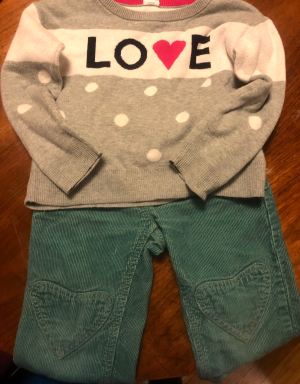
IMG_2414

I scored the love sweater and heart patch cords from the “girl section” of 2 different thrift stores. The pants are Mini Boden, a European clothing company, which I tend to prefer to American clothing companies.

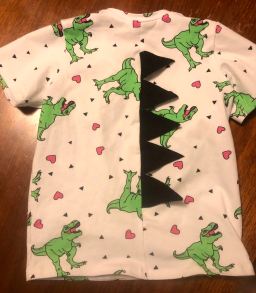
IMG_2416

Here’s the back of one of my favorite shirts from Mitz Kids – Clever Clothes for Creative Kids. Dinosaurs AND hearts — both me and my son love it!

I silently gag when I see “little heart breaker” shirts in the “boys section.” Ok, maybe it’s not always silent. I prefer love, hearts, dinosaurs, and Star Wars to labeling my child a heart breaker.

Clothes matter.

If you’ve read some of my other posts you now know I read and reference a lot of articles. So I’ll close with thoughts from this HuffPost article – You Are What You Wear – The Dangerous Lessons Kids Learn From Sexist T-Shirts.

In it, the intersection of clothes and identity is discussed. The article references a 2004 study where “researchers described children as “gender detectives” who seek out information about the differences between girls and boys, attempt to draw inferences about gender and then apply their conclusions to themselves.

Even subtle messaging about girls’ and boys’ roles — in the media, in society and on clothing — affects the way kids see themselves.”

Clothes matter.


Color Coded

When you have a strong interest in and concern of constructed gender roles a lot of articles find you. One of the purposes of my starting this blog was a space to post the articles I thought had merit on the topic. Articles that would illustrate the construction of gender roles and the harm it’s causing. Today I came across a 2014 article that could have easily been written yesterday. The article, Toys are more divided by gender now than they were 50 years ago, references several studies and historical adversments of toys. Here’s part of the introduction:

“When it comes to buying gifts for children, everything is color-coded: Rigid boundaries segregate brawny blue action figures from pretty pink princesses, and most assume that this is how it’s always been. But in fact, the princess role that’s ubiquitous in girls’ toys today was exceedingly rare prior to the 1990s—and the marketing of toys is more gendered now than even 50 years ago, when gender discrimination and sexism were the norm.”

The other day I was shopping for favors for my son’s 3rd birthday party – Mickey Mouse themed. I came across these:

Mickey Mouse Chalkboard Sign Set 3pc Image #1

The product details:

“With this Mickey Mouse Chalkboard Sign Set, your little boy can jot down notes and reminders or just doodle! The mini chalkboard is made of wood and is decorated with prints of Mickey, Donald, Goofy and Pluto. The attached twine loop lets him hang it on the wall or door. Take notes using the included chalk and wipe the slate clean with the red Mickey-shaped foam eraser. Usable space measures 4 3/4in x 4 3/4in.”

WHY?

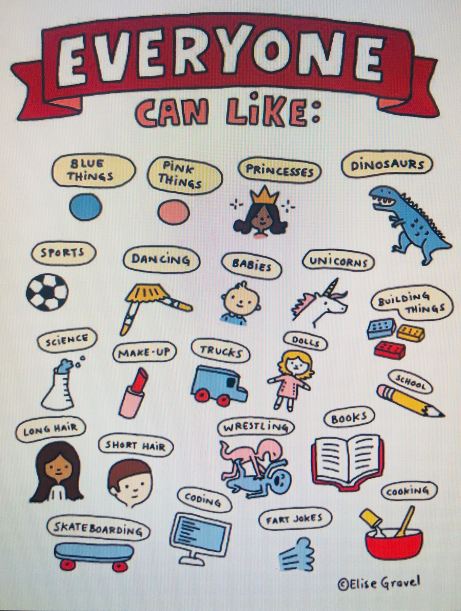
Why does EVERYTHING have to be assigned boy or girl? What if a girl likes Mickey or a boy likes Minnie? Can they both love both characters? Are chalk boards just for boys? I know, some people say it’s just the word they chose to use, it’s not a big deal. But, when it’s EVERY SINGLE PRODUCT, activity, article of clothing, etc, when EVERYTHING is gendered the message it sends is clear: some things are assigned to boys and some things are assigned to girls and any mixing, especially for our little boys, is not ok.  

And that is not ok.


The Launch of Boy Wonder

In 2013 a mom was discouraged that she could not find dresses decorated with dinosaurs or trucks and so she had a conversation with a friend about the “sad state of the thematic divide between girls’ and boys’ clothes” and her company Princess Awesome was born. Princess Awesome is a member of Clothes Without Limits – read about that consortium in my post Clothes Do Matter. I’m a huge fan of Princess Awesome and it’s mission to extend colors and themes to girls clothing. With a tag line like, “Clothes That Rule. Like She Does,” what’s not to love!? That’s there’s not a boy component!
Princess Awesome is launching a brother company Boy Wonder! Below are excerpts from their blog post announcement from January by co-founder, Rebecca Melsky:

“One of the two* most frequently asked questions we get at Princess Awesome is some variation of: “Can you make clothes for boys who love unicorns, butterflies, and sparkles?”


I’ve come to learn now that my 3-month-old baby is almost six, and I’ve added another little boy to the family who is 18 months old: The Limits of the Boys’ Section.

Have you visited the boys’ section in a mainstream retailer lately? Yes, you’ll find plenty of dinosaurs, trucks, superheroes, and sports. You’ll also find A LOT of black, gray, navy blue, gray, brown, and, did we mention – gray? Maybe an accent of red or blue here and there or some neon orange on athletic apparel, but mainly just gray.

And you know what you don’t find anywhere in the boys’ section? Cats. Butterflies. Ice cream cones. Rainbows.

We’ve all heard girls and boys scream with glee at an ice cream party. We know girls and boys who love their cats. We know girls and boys who eagerly identify the monarch and imposter viceroy flying through their garden. We know girls and boys who gaze expectantly at the sky after a storm searching for a rainbow.

These are things all kids love. Why don’t they exist on boys’ clothing?

Well, friends, we think they should, and we’ve heard from enough of you to know that a lot of you do, too.”


Take their Kickoff Survey.

“Gender Neutral” is a term often associated with newborns and the color yellow. Let’s challenge that – let’s make it the norm that kids wear clothes that match their interests. Because telling a girl she shouldn’t wear a science themed shirt and telling a boy he shouldn’t wear gentle kittens and yummy cupcakes are equally not ok.


The Courage To Raise A Son

Another article recently came out that highlights the rigidity of the male gender role: Parents are OK with girls playing with trucks. Not so much with boys wearing makeup.

“Across the board, women were more willing to let their child defy gender norms than men,” the research said. “While the majority of both genders were OK with allowing their daughters to play with trucks and wear boys’ clothes, the most staunch discrepancies surfaced when it came to sons acting feminine.”

The article references a study by SeniorLiving.org that looked at the ages associated with discussing a range of sensitive topics and how gender plays a role in what parents view as acceptable behavior for their children. The greatest percentage of parents rated gender-identity as the topic they’d most want to avoid talking about to their children.

In sum, what I’ve been looking for rooftops to scream from and what this study found is that while horizons are broadening for our girls, the pressure remains staunch to keep our boys in their narrowly constructed gender role.

In Gloria Steinem’s words:  “We’ve begun to raise daughters more like sons … but few have the courage to raise our sons more like our daughters.”