Men and Masks

As COVID-19 continues grips the world, there’s been a lot of conversation about the difficulty of encouraging men to wear face masks. The Washington Post recently published: Perspective: Making men feel manly in masks is, unfortunately, a public-health challenge of our time.

The article, using a dose of humor, highlights the importance of making mask wearing appear masculine in the eyes of men. What constitutes a masculine mask –suggestions include camouflage or shark teeth print. They also suggest framing mask wearing as being a hero or chivalrous.

It concludes: “It’s slightly worrisome that, in order for us to survive as a species, spouses and daughters or sons must scour Etsy for venom-themed masks so that their 52 year old packaging engineer husbands and fathers can feel gender-secure when they pop out to Safewy for some milk.”

The Atlantic discusses this issue too in: The Dudes Who Won’t Wear Masks: Face coverings are a powerful too, but health authorities can’t simply ignore the reason some people refuse to use them.It discusses politics and then turns to, drum roll, toxic masculinity:

“As one research team noted, men are especially likely to opt out of wearing masks, believing them to be “shameful,” “a sign of weakness,” and “not cool”—even though men are at higher risk than women of dying from coronavirus infection. A similar pattern has emerged during prior pandemics and across other areas of health: Men—especially those who endorse traditional masculine gender norms—have been less likely than women to engage in protective health behaviors.”

I write often about the narrow male gender role that is hurting our boys and men (and in-turn, everyone). This is a perfect example — mask wearing falls outside of that narrow gender role and the consequences are dire. “Weakness” is a central theme in many of these discussions and articles.  Protecting your health and the health of others is seen as weak and not masculine. As we seek to learn lessons from COVID-19 let’s incorporate the narrow male gender role and seek to expand it.


Narrow Gender Roles and Narrow Landscapes

Weaved into the fabric of who I am is worrying about the state of our boys. So, naturally, friends send me articles about the topic or they pop up in my feeds. The crux of most of these pieces is that the narrow male gender role is hurting our boys and men, causing toxic masculinity with dire consequences for both males and females. One of the goals of this blog is to share the voices who are framing this epidemic, backing it up with research and offering hope and strategies to combat it. Most recently I read The Miseducation of the American Boy by Peggy Orenstein in the Atlantic and I hope you will too.

The subtitle reads “why boys crack up at rape jokes, think having a girlfriend is “gay,” and still can’t cry—and why we need to give them new and better models of masculinity.”

Describing one of the many boys she interviewed Orenstein says “for Cole, as for many boys, this stunted masculinity is a yardstick against which all choices, even those seemingly irrelevant to male identity, are measured.

Orenstein shares many findings and insights from her interviews. Painting a picture of masculinity that begins at birth she says:

“There is no difference between the sexes’ need for connection in infancy, nor between their capacity for empathy—there’s actually some evidence that male infants are more expressive than females. Yet, from the get-go, boys are relegated to an impoverished emotional landscape.”

As always, I encourage you to read the article and to have conversations about the landscape we are giving our boys.

The Silent Epidemic

I’ve written about this before, and it bears repeating — the narrow gender role we have created for boys and men has caused a culture embedded in toxic masculinity, where our boys and men are hurting and dying — yes dying.

Outside of the narrow male gender role is seeking help for mental health. Men’s Health’s Not Talking About Mental Health Is Literally Killing Men says “your mental health is inseparable from your physical health. Not a revolutionary concept, but what is astounding is the stigmatization that still surrounds men who dare to talk about their mental struggles…..This macho attitude of stuffing your feelings down, or ignoring them, is antiquated and downright dangerous.” The outcome? A lot of pain and death. Male suicide rates have been on the rise for some time, labeled “the silent epidemic” because despite startling statistics, there is very limited media coverage.

In addition to discouraging men from seeking support for their mental health, the narrow male gender role breeds loneliness. Why Do We Murder the Beautiful Friendships of Boys states that emotional isolation holds the same risk factor for mortality as smoking. Said so well, “It is a heartrending realization that even as men hunger for real connection in our male relationships, we have been trained away from embracing it.” I’ve referenced this article before and it bears sharing again.

So, please let’s talk about this silent epidemic. You can also check-out The Mask You Live In, a Miss Representation’s piece exploring “America’s narrow definition of masculinity and the harm it causes boys and men” and my blog post Our Men Are Dying. It bears repeating, we must talk about this and broaden the dangerous male gender role.

#MyBoyCan

If you’re on my blog, you care about the well-being of our boys. If you care about the well-being of our boys check out Jennifer L.W. Fink’s website Building BoysThe website is chock-full of helpful articles written by Jennifer, a mother and award-winning author, and other contributors. A favorite of mine is: Yes, Boys Can Dance. The articles discusses the international movement #MyBoyCan founded by Sassy Harvey in response to ridicule her son received for participating in dance class – here is a podcast where the movement is described.

In the Yes, Boys Can Dance piece Jennifer writes:  “But this (is) about more than dancing. Ultimately, this is about enlarging our boys’ worlds and recognizing their full humanity. Collectively, we’ve busted the stereotypes that said women can’t wear pants or work or be mechanics or engineers. Today, you would never hear a news anchor laughing about a girl taking STEM classes. It’s time to bring that kind of equality to our boys also. Stop saying “boys can’t” and instead says #MyBoyCan.”

Also on the website you’ll be connected with other resources about raising boys, from others invested in the well-being of our boys and men. A favorite, which I’ve perhaps referenced before in the blog, having mom brain) is The Good Men Project.

So, what’s your response for #MyBoyCan?


Batman Broke My Heart

The other day I was in a face painting line with my son. There was a sheet on the table illustrating several choices kids could pick from. The little boy in front of us excitedly picked a butterfly. When the face painter asked what he wanted, the boy’s father responded with “Batman.” My heart sank.

This happens all of the time. In Give Him Something For Boys a face-painter shares her experience and a telling twitter thread ensues. The article starts with:

“From a young age, many boys are encouraged to like only typically “masculine” things like action figures, toy guns, and sports. They’re shamed for crying, showing love, and showing affection because those things are considered “weak.” Strict gender rules are enforced on their appearance, too. When it comes to the clothes they wear and the way they wear their hair, little boys are often expected to adhere to certain stereotypes and not show interest in anything deemed “feminine.”

Apparently, even getting their face painted is policed to the extreme, as illuminated by a brilliant Twitter thread that went viral this weekend. In a series of very powerful tweets, Twitter user “Sanduhruh” laid out exactly how enforcing these harmful gender stereotypes on little boys could be a driving force behind the male violence problem we have in America.”

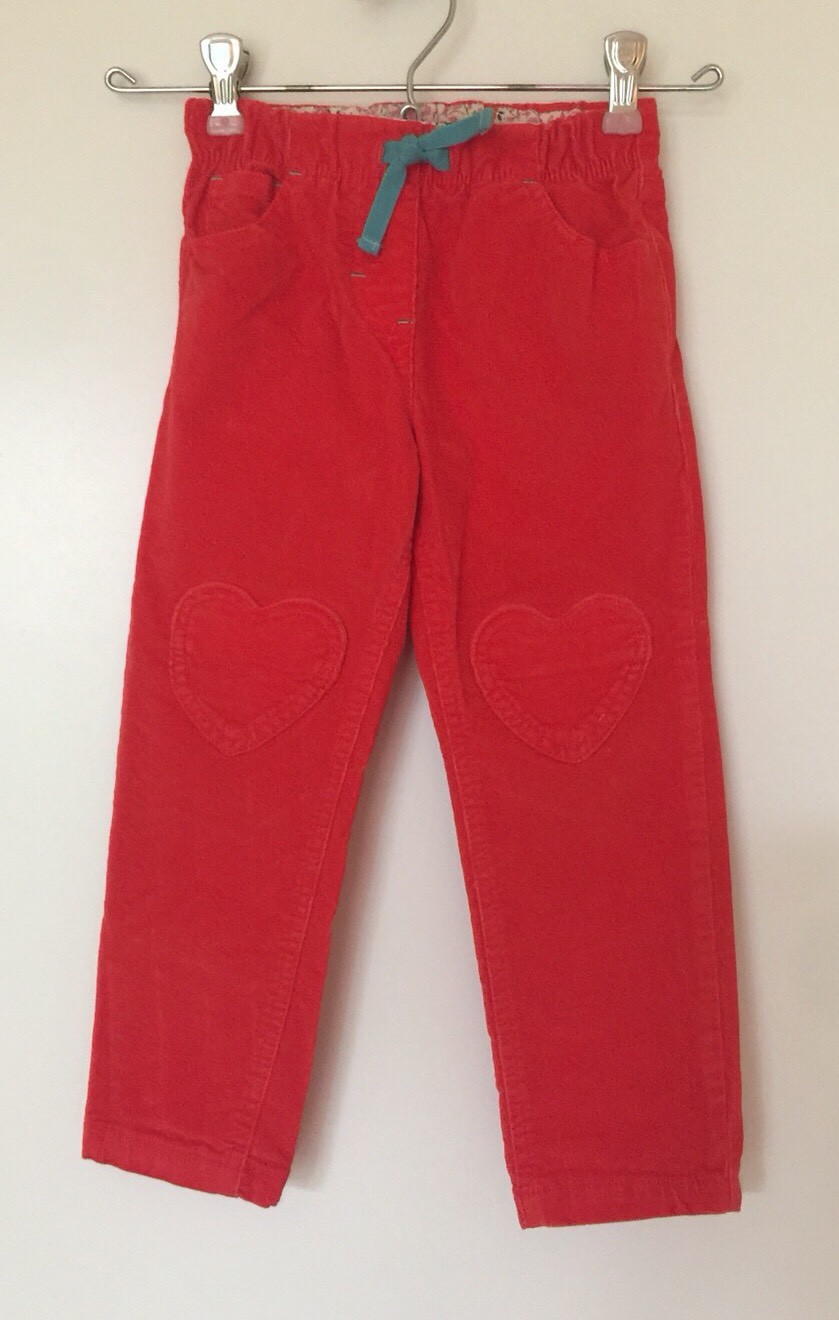
Later that day I opened a package that arrived in my mailbox. I had purchased a pair of pre-owned cords for my son. The note from the seller included in the package told me she hoped my little girl likes the pants.

We assign everything from colors to food to animals to either boys or girls. When we do this, we are assigning the traits associated with these things to either boys or girls and sending a clear message to our little ones. This creates boys who are hurting and as Sanduhruh says, a driving force behind the male violence problem we have in America.

Our Men Are Dying

Thank you PBS. On September 8th, The culture of masculinity and its negative impacts on men made its way into my feed. I watched it eagerly, and while not new to me, it was music to my ears. We must keep talking about how the rigid definition of masculinity is hurting men and taking lives. “In 2016, the last year global data is available from the World Health Organization (WHO), there were an estimated 793,000 suicide deaths worldwide. Most were men.” (Taken from Why more men than women die by suicide).

The September PBS piece is described as:

“The American Psychological Association in 2018 published its first-ever psychological practice guidelines for boys and men. The guidelines look at how concepts of masculinity and the socialization of men may be contributing to higher rates of suicide, depression, health issues and violence in male populations. Christopher Booker reports on efforts to disrupt this culture in some unexpected places.”

The line in the piece which spoke the loudest to me was, “learning to be in touch with ones emotions can save lives.”

I searched past Whatsaboymom blog posts, planning to link a few selected pieces, but there were too many posts. That’s why I write, our boys and men are hurting and there’s a grave collective toll on us all.


Toy Charter To Combat Gender Stereotyping

BBC News recently reported on a new charter centered around toys — yes, toys.

Take a hard look at sexist toys – Dutch education minister says “Dutch Education Minister Ingrid van Engelshoven has called on toymakers to examine carefully what they create, in an attempt to end gender-stereotyping in the toy industry. She was responding to a pact by French toymakers to scrap games or toys that promote stereotypes for girls and boys. 

French Economy Minister Agnès Pannier-Runachersaid the new “charter for balanced (gender) representation in toys” is intended to give girls as well as boys “access to a world that opens up a range of possibilities.”

The charter, announced ahead of the Christmas toy market, covers the entire industry in France. The national toy federation said it was committed to making “quantifiable” efforts towards improving gender neutrality in toys. Toyshop staff will also be trained to ask what a child is interested in rather than “is it for a boy or a girl?”

In a tweet, Ms Pannier-Runacher said the element of imagination conveyed by toys mattered for children.”

The charter coincides with the announcement of a gender neutral Barbie. Senior VP of Mattel Fashion Doll Design says: “Toys are a reflection of culture and as the world continues to celebrate the positive impact of inclusivity, we felt it was time to create a doll line free of labels.”

Check out the exciting new product here:

Barbie manufacture has launched a gender neutral doll collection – free of labels.

I’ve written about gender + toys before, here’s the link to previous posts with related thoughts and links: The Great Gender Divide – Toy Edition and Commission on Gender Stereotyping.

PS: The blue / pink marketing scheme is a new phenomenon. The holiday season has turned from red & green to pink & blue. Here’s a toy ad from 1979:

IMG_E4689.jpg


It’s That Time of Year

It’s that time of year – back to school clothes shopping. My inbox is bursting with ads, sales, doorbusters, and suggestions of clothes I can buy my little one. If you’ve read my other posts, you know that kids clothes here in the US makes me equal parts sad and pissed off. There is a thick line drawn, on one side are tight fitting purples and pinks, sparkles, varied styles and fabrics, and every print imaginable and on the other side is gray and blue, stripes, and sports. I rarely purchase clothes for my son from the “girl section” because the clothes fit so tightly that he is not comfortable playing in them. So, I’m stuck scouring through the limited “boy options” to find the least boring picks. You might be thinking, boys are bigger than girls so their clothes need to be bigger – but that’s not the case, not for our little ones. So, clothing companies make and market clothes that mimic adults. From birth, girls clothes are tight and offered in ever-widening options of content and styles while boys clothes are looser and limited in every capacity. And yes, this matters. We are placing our boys in boxes and ltelling them what their preferences should be and placing them in rigid boxesby assigning gender to everything from animals to colors to softness of fabric.

One mom, published in Motherly, talked about the difference in the edging of clothes, you read that correctly – the edging, and backs me up on the “from birth” thing:


This year, some of the shirts I found that I’m most excited about are: ‘give pizza a chance,’  purple with an old-school headphone print around the neck, mustard with black triangles, giraffe with fringe on the neck, reversible sequin dinosaur, bright yellow with cartoon dogs, and a purple dinosaur shirt. Throw in a handful of Mickey Mouse and Paw Patrol, which my son adore, and his wardrobe of “regular fitting” shirts is complete.

Crying + Boys

Love, love, love this article: How Crying Benefits Boys: Strong Minds and Happy Hearts.

There are so many reasons why it’s harmful and hurtful to tell boys not to cry. This article outlines some of the benefits, here’s a snip-it:

“Emotional crying (as opposed to tears from the wind or from cutting onions) provides a healthy way for the body to process intense stress and/or emotions. Researchers have discovered that the chemical makeup of these tears are different from non-emotional tears.

Emotional tears actually contain:

  • Stress hormones (one of which is cortisol)
  • Prolactin
  • Natural painkiller (leucine encephalin)
  • Manganese, which is a natural mood regulator

This chemical makeup of real tears is exactly why you feel better after a good cry. As the stress hormone leaves the body, the mental attitude frequently improves, and the crier feels relieved. When we tell boys not to cry, we are cutting off a healthy way for them to process emotions. As the stress hormones build up without release, it sets the stage for rage, anger, and depression.”

The article goes on to explain, what I so often talk about, that the narrow male gender role hurts boys:

“Telling boys not to cry furthers the gender stereotypes.

The research behind the chemical makeup of tears points out that emotional tears carry stress hormones out of the body – whether that body is male or female. That means that crying is not inherently a trait of femaleness; crying is within human nature. 

When we tell boys not to cry, it does two things:

  • It forces boys into a stereotype that forces a separation of all emotion from manhood.
  • It makes any girl who cries inferior.

But crying isn’t just for girls. It’s for humans; it’s a safety valve to help us process emotions before we reach the critical point. Teach your sons to cry; teach them to process their emotions. Heck, just teach them about emotions. Teach your daughters empathy, to console a crying boy, to never mock a boy (or man) who cries.”

One of my favorite lines from the article, which I’ll leave you with:
“Heck, just teach them about emotions.”

Malala’s Father

Taken from A Mighty Girl:

“In a moving TED talk, Ziauddin Yousafzai, the father of Nobel Peace Prize winner Malala Yousafzai who is famous worldwide for her girls’ education activism and for surviving an assassination attempt by the Taliban, addressed a question he is asked frequently: how did he raise such a strong and resilient daughter in such oppressive conditions?

In his talk, Yousafzai spoke about the experience of girls and women in many parts of the world as “a story of injustice, inequality, violence and exploitation.”……. As a teacher, he strove to use “education for emancipation. I taught my girl students to unlearn the lesson of obedience. I taught my boy students to unlearn the lesson of so-called pseudo-honour….plight of millions of women could be changed if women and men think differently — if they can break a few norms of family and society, if they can abolish the discriminatory laws of the systems in their states that go against basic human rights of the women.”

Ultimately, in answer to the question of how he raised such an extraordinary young woman, he states: “People ask me what is special about my mentorship that has made Malala so bold and courageous, vocal and poised. I tell them, ‘Don’t ask me what I did. Ask me what I did not do. I did not clip her wings, and that’s all.'”

A Mighty Girl Recommends the following books to introduce kids to Malala’s story:

“Malala: A Hero for All” – ages 6 to 9

“Malala: Activist for Girls’ Education” – ages 6 to 9

“For The Right To Learn: Malala Yousafzai’s Story” – ages 8 to 11

“Who Is Malala Yousafzai?” – ages 8 to 12

“I Am Malala: The Girl Who Stood Up For Education and Was Shot By The Taliban” is available in a Young Readers Edition for ages 10 and up.


Image may contain: 2 people, people smiling, text